Roofing Tips, News & Advice from Mega Roofing
Pros and Cons of Asphalt Shingles in Florida
Introduction
Asphalt shingles remain the most commonly installed roofing material across the United States. In St. Cloud, Florida and throughout Central Florida, they are often the first option homeowners consider when replacing a roof.
But Florida isn’t like most states.
High UV exposure, intense humidity, tropical storms, and hurricane-force winds all create unique stress on roofing systems. That raises an important question:
Are asphalt shingles actually a good fit for Florida homes?
In this guide, we’ll break down the real advantages and disadvantages of asphalt shingles in Florida’s climate so you can make an informed decision.
What Are Asphalt Shingles?
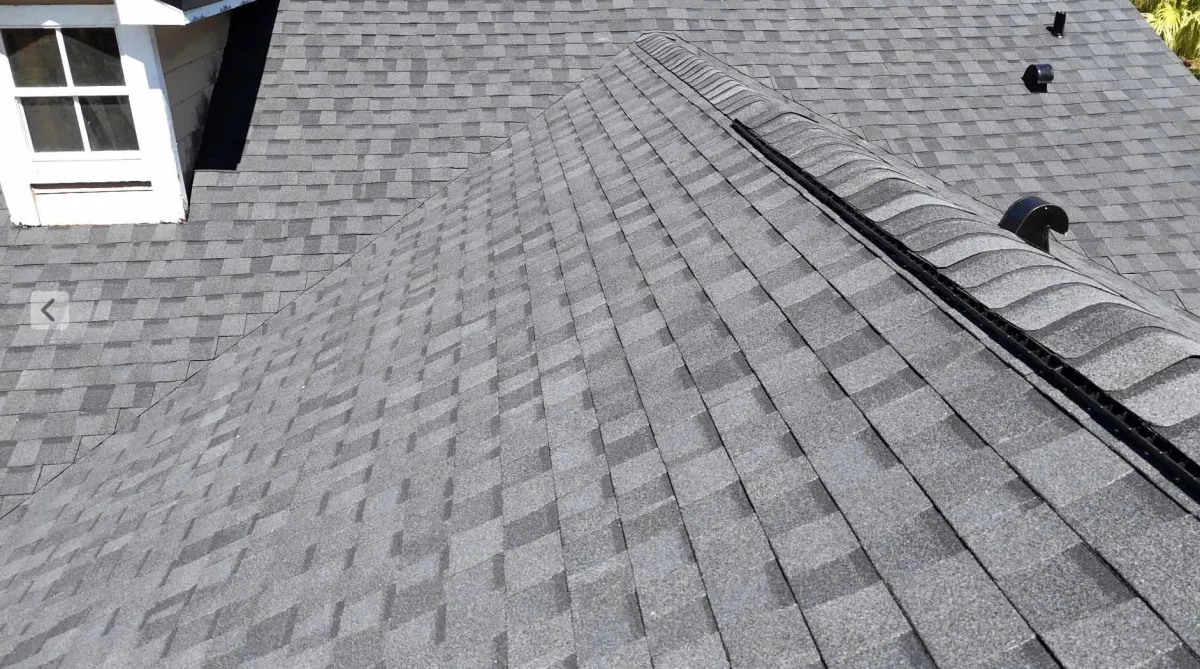
Asphalt shingles are roofing materials made from a fiberglass base mat coated with asphalt and topped with mineral granules.
There are two main types commonly installed in St. Cloud, Florida:
• 3-tab shingles (flat, uniform design)
• Architectural shingles (thicker, dimensional design)
Both are widely available and typically cost less than metal or tile roofing systems.
The Pros of Asphalt Shingles in Florida
Let’s start with the advantages.
1. Lower Upfront Cost
Asphalt shingles are generally the most affordable roofing material to install.
For homeowners in St. Cloud, Florida, this means:
• Lower material costs
• Faster installation
• Reduced labor expenses
• Easier budgeting
If upfront investment is the primary concern, asphalt shingles offer a cost-effective entry point.
2. Wide Availability and Easy Repairs
Because asphalt shingles are so common:
• Replacement shingles are easy to source
• Most roofing contractors are experienced installing them
• Repairs are typically straightforward
This makes maintenance simpler compared to more specialized materials like tile or metal.
3. Lightweight Material
Unlike tile roofing, asphalt shingles do not require structural reinforcement.
This makes them ideal for homes not designed to support heavy roofing systems.
4. Variety of Styles and Colors
Modern architectural shingles offer:
• Dimensional appearance
• Multiple color options
• Improved curb appeal
For homeowners in St. Cloud neighborhoods where HOA standards apply, design flexibility can be a practical benefit.
The Cons of Asphalt Shingles in Florida
While asphalt shingles offer advantages, Florida’s climate creates real limitations.
1. Shorter Lifespan in Hot Climates
Florida heat accelerates aging.
Constant UV exposure can cause:
• Granule loss
• Brittleness
• Curling edges
• Faster material breakdown
Although architectural shingles may be rated for 25–30 years, actual lifespan in Central Florida may be closer to 15–25 years depending on installation quality and maintenance.
2. Wind Vulnerability
Florida storms test roofing systems.
While modern architectural shingles can be wind-rated up to 130 mph, improper installation can lead to:
• Shingle lift
• Seal failure
• Blow-offs during hurricanes
In St. Cloud, Florida, wind mitigation installation practices are critical for shingle performance.
3. Moisture and Humidity Concerns
Florida’s humidity creates conditions for:
• Algae growth
• Mold staining
• Moisture retention
Many asphalt shingles now include algae-resistant technology, but staining and discoloration remain common in humid regions.
4. More Frequent Replacement Over Time
Compared to metal or tile roofing, asphalt shingles typically require replacement sooner.
Here’s a lifespan comparison:
Over 40–50 years, asphalt shingles may need to be replaced twice, increasing lifetime cost.
Cost vs. Longevity: The Real Trade-Off
The main trade-off with asphalt shingles in Florida is:
Lower upfront cost
versus
Shorter lifespan
For some homeowners, this makes perfect sense — especially if they plan to sell the home within 10–15 years.
For others planning to stay long-term in St. Cloud, Florida, a higher initial investment in metal or tile may reduce lifetime roofing expenses.
When Asphalt Shingles Make Sense in Florida
Asphalt shingles are often a smart choice when:
• Budget is a primary concern
• The home structure cannot support tile
• You plan to move within 10–15 years
• You prefer traditional roofing aesthetics
• Insurance coverage supports replacement if storm damage occurs
They remain a practical and widely accepted roofing solution.
When Asphalt Shingles May Not Be Ideal
You may want to consider alternatives if:
• You plan to stay in the home long-term
• You want maximum wind resistance
• Energy efficiency is a top priority
• You prefer premium durability
• You want minimal long-term replacement cycles
In these cases, metal or tile roofing may offer better performance for Florida’s environment.
FAQs About Asphalt Shingles in Florida
Do asphalt shingles hold up well in hurricanes?
They can perform well if properly installed with high wind ratings. However, severe storms may still cause damage.
Are architectural shingles better than 3-tab shingles?
Yes. Architectural shingles are thicker, more durable, and typically have better wind resistance.
Do asphalt shingles increase home value?
They provide solid curb appeal but may not add as much long-term value as metal or tile roofing.
How often should asphalt shingles be inspected in Florida?
Annual inspections are recommended, especially after storm season.
Are asphalt shingles energy efficient?
They absorb more heat than reflective metal roofing, but lighter colors can help reduce heat absorption.
Conclusion
Asphalt shingles remain a practical and widely used roofing material in St. Cloud, Florida. They offer affordability, ease of installation, and design flexibility. However, Florida’s climate shortens their lifespan and increases exposure to wind and moisture challenges.
The decision ultimately comes down to your budget, long-term plans, and durability expectations. If you’re weighing asphalt shingles against other roofing options, Mega Roofing can provide a detailed evaluation to help you compare materials based on performance, lifespan, and overall value for your home.

Our Services
Helpful Links
LICENSE NUMBER CCC1332144
© 2025 All Rights Reserved | Mega Roofing