Roofing Tips, News & Advice from Mega Roofing
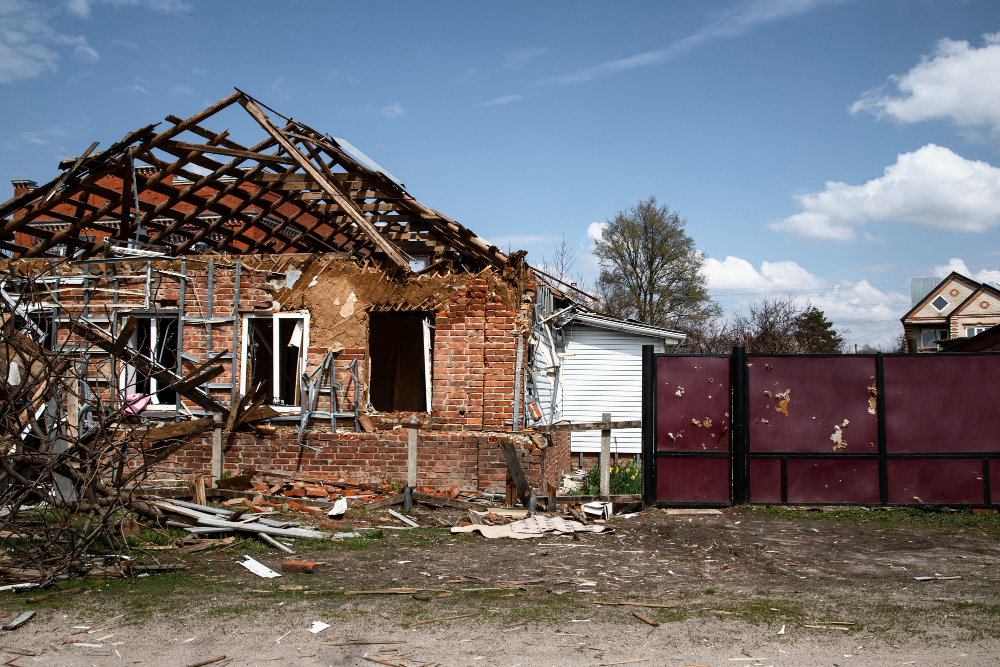
How Hurricane Damage Increases Roofing Costs
Introduction
Hurricane season is a reality for homeowners in Central Florida. In St. Cloud, Florida, strong winds, wind-driven rain, and flying debris can turn a minor roofing issue into a major structural problem in a matter of hours.
After a storm passes, many homeowners ask the same question:
How much more is this going to cost me now?
Hurricane damage doesn’t just cause repairs. It often increases roofing costs due to emergency demand, structural impact, code requirements, and insurance complexities. In this guide, we’ll break down how hurricane damage affects pricing and what homeowners should expect financially.
The Immediate Cost Jump After a Hurricane
Roofing costs often increase after a hurricane for two main reasons:
Damage severity
Market demand surge
When an entire region experiences storm damage at the same time, roofing contractors become heavily booked. Material suppliers may experience shortages. This combination can temporarily raise repair and replacement pricing.
In Central Florida, it’s not uncommon for post-hurricane roofing costs to increase by 10%–25% compared to normal conditions, depending on demand and supply chain constraints.
Types of Hurricane Damage and Their Cost Impact
Not all hurricane damage is equal. The severity and type of impact determine how much costs increase.
Wind Uplift Damage
High winds can lift shingles, break seals, and tear off flashing.
Cost Impact:
• Sectional shingle replacement
• Refastening systems
• Underlayment repair
If caught early, costs may remain moderate. If delayed, water intrusion can multiply expenses.
Water Intrusion
Wind-driven rain can penetrate even small vulnerabilities.
Once moisture reaches:
• Roof decking
• Insulation
• Interior ceilings
• Wall cavities
Costs escalate significantly due to structural repairs and interior restoration.
What could have been a $1,000 repair may become a $5,000–$15,000 project once water damage spreads.
Structural Damage
Severe hurricanes can cause:
• Partial roof collapse
• Framing damage
• Detached sections
• Tree impact penetration
Structural repairs often push costs toward full replacement territory rather than minor repair pricing.
Repair vs. Replacement After Hurricane Damage
After a major storm in St. Cloud, Florida, homeowners must decide whether repair is sufficient or if full replacement is necessary.
Here is how hurricane damage can shift that decision:
Costs may increase due to code upgrades and labor demand
In many hurricane cases, widespread wind damage across the roof may justify full replacement rather than patchwork repair.
Building Code Upgrades After Storm Damage
Florida building codes are strict for good reason.
If hurricane damage triggers a major roof repair or replacement, your home may be required to meet updated wind mitigation standards. These may include:
• Stronger fastening patterns
• Secondary water barriers
• Upgraded underlayment systems
• Improved flashing installation
These upgrades increase costs but improve long-term storm resistance.
If your policy includes ordinance or law coverage, insurance may help pay for these required improvements. Without it, the homeowner covers the difference.
Insurance and Out-of-Pocket Costs
Hurricane damage usually qualifies as a covered event under homeowners insurance.
However, out-of-pocket costs may include:
• Hurricane deductible (often 2%–5% of insured home value)
• Depreciation (if policy is Actual Cash Value)
• Code upgrade costs (if not covered)
For example:
If your home is insured for $350,000 and you have a 2% hurricane deductible:
2% of $350,000 = $7,000
Even if your insurance approves a $20,000 roof replacement, you may be responsible for the first $7,000.
Understanding your policy before hurricane season is critical.
Hidden Costs That Appear After Storms
Some cost increases are not obvious immediately.
Post-hurricane roofing projects may include:
• Emergency tarping
• Mold remediation
• Interior drywall repair
• Gutter system replacement
• Soffit and fascia repair
Storm damage often extends beyond just shingles.
Labor and Supply Chain Effects
After a hurricane impacts Central Florida:
• Roofing crews may be booked weeks in advance
• Overtime labor increases
• Material shipments slow down
• Certain products become temporarily unavailable
This supply-and-demand imbalance can increase roofing costs temporarily.
Acting quickly after a storm may help prevent additional secondary damage.
How to Minimize Cost Escalation After a Hurricane
Taking prompt action can significantly reduce long-term expenses.
Step 1: Schedule a professional inspection immediately.
Step 2: Install emergency protection (tarping) if necessary.
Step 3: Document damage with photos.
Step 4: Contact your insurance provider if appropriate.
Step 5: Avoid delaying repairs that allow water intrusion.
Small storm damage left untreated can multiply into much larger expenses.
FAQs About Hurricane Roofing Costs
How much does hurricane roof damage typically cost to repair?
Costs vary widely. Minor damage may cost a few thousand dollars, while severe storm damage requiring full replacement can exceed $20,000 depending on size and materials.
Does insurance always cover hurricane roof damage?
Hurricane damage is typically covered, but deductibles and policy type determine your out-of-pocket expense.
Do roofing prices increase after hurricanes?
Yes. High demand, material shortages, and labor availability can temporarily increase pricing.
Should I repair or replace my roof after hurricane damage?
If damage is widespread or your roof is near the end of its lifespan, replacement may be more cost-effective long-term.
How quickly should I act after storm damage?
Immediately. Delaying repairs can allow water intrusion and structural deterioration.
Conclusion
Hurricane damage can significantly increase roofing costs due to structural impact, emergency demand, building code upgrades, and insurance deductibles. What might have been a manageable repair before a storm can escalate quickly if water intrusion or structural issues develop.
For homeowners in St. Cloud, Florida, understanding how hurricane damage affects pricing helps you prepare financially and respond strategically. If you suspect storm-related roof damage, Mega Roofing provides detailed inspections and clear documentation to help you understand your options before moving forward with repairs or insurance claims.

Our Services
Helpful Links
LICENSE NUMBER CCC1332144
© 2025 All Rights Reserved | Mega Roofing